You Both Became Parents. But Did You Remember You're Still Partners?

Nobody warns you that the hardest part of becoming a mom isn't the sleep deprivation or the feeding schedule.
It's looking across the room at your partner, the person you built a whole life with, and suddenly feeling like you're strangers who happen to share a baby.
If you're a new mom juggling the pressure to bounce back, the cost of childcare, the impossible standard of doing it all, and you've noticed that something feels off in your relationship, you're not imagining it. And you're definitely not alone.
The transition from two to three is one of the most quietly destabilizing things a couple can go through. Research consistently shows that relationship satisfaction drops significantly in the first year postpartum. Not because love disappears. But because everything, everything, changes at once.
The version of your relationship that existed before the baby isn't coming back. What comes next can be better, but it has to be built.
The Role Shift Nobody Prepares You For
Before the baby, you were partners. Maybe equals in the most beautiful sense of that word: two people who split the check, the chores, the emotional labor, the calendar. Then suddenly, overnight, you are mom. And he is dad. And those roles carry so much weight; cultural, historical, deeply personal, that they can quietly swallow who you were to each other.
Many new moms describe a creeping resentment they feel ashamed to name. They're on call 24/7, physically, hormonally, emotionally, while their partner seems to simply... re-enter the world. Goes back to work. Sleeps through the 3am feed. Doesn't feel the relentless pull of the baby the way she does.
This isn't a character flaw. It's biology meeting a cultural script that still puts the invisible labor of new motherhood almost entirely on women. But knowing that doesn't make it hurt less.
The Slow Drift
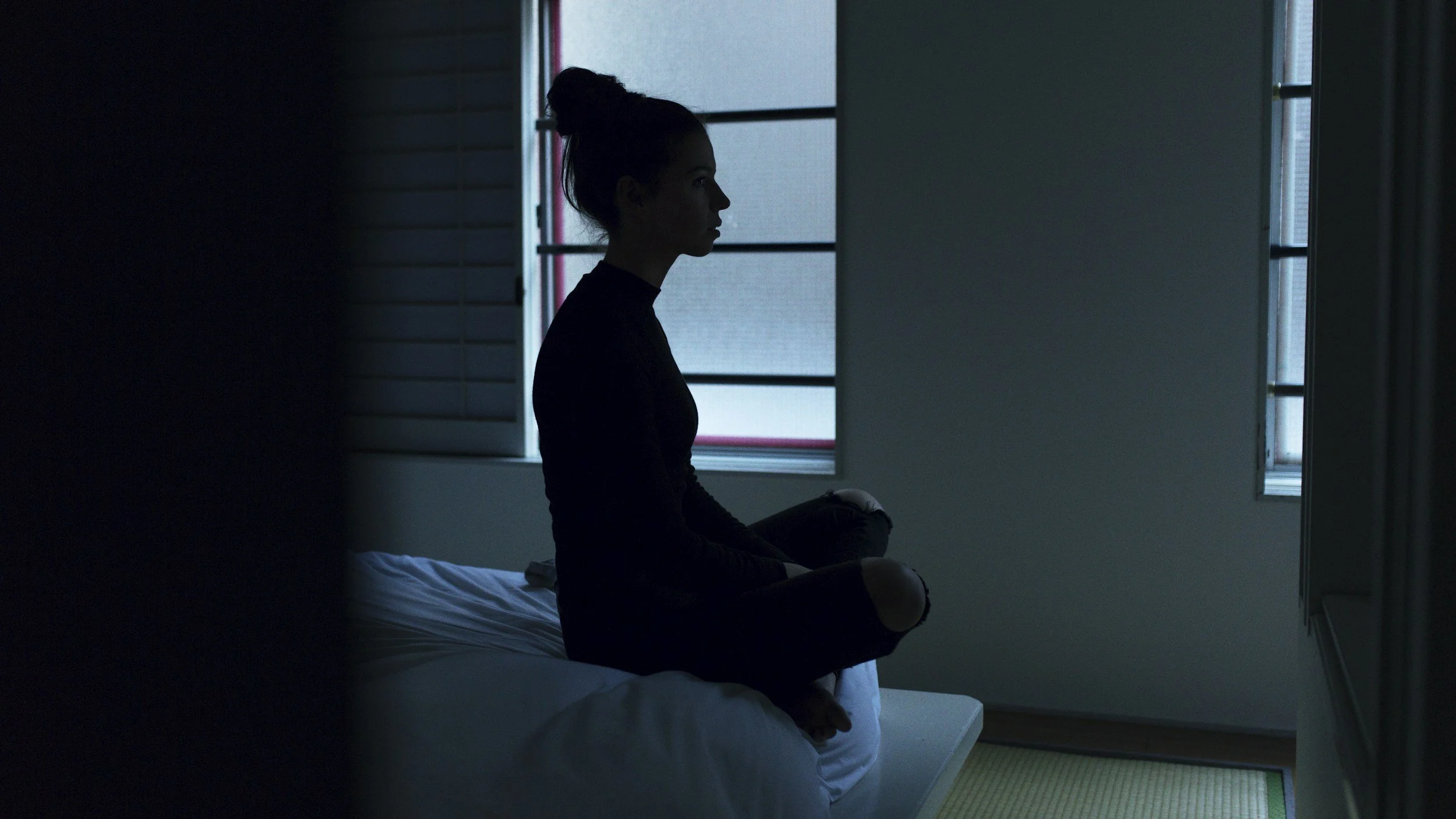
Let's talk about intimacy, the whole picture of it..
Physical intimacy after birth is layered. Your body just did something enormous. You may be healing, breastfeeding, touched out by the end of every day. The last thing you want is another person reaching for you. And that's completely valid. But when physical distance lingers without acknowledgment, it can quietly translate into emotional distance, for both of you.
Emotional intimacy is often the first thing to erode. The conversations get shorter. Less curious, more logistical. You stop being checking in with each other. You stop feeling like he actually sees you, not as a mother, but as you.
And here's the painful part: most couples don't fight about this directly. They fight about whose turn it is to do the dishes.
How You Relate to Each Other Now
Something shifts in how you communicate when a baby enters the equation. Conversations become transactional. Tenderness is replaced with practicalness. You're coordinating, not connecting.
Many women I work with describe a loneliness they didn't expect to feel while living with another person. They're surrounded by their partner, baby, maybe family, and still feel profoundly alone. Not seen in the way they used to be. Not wanted in the way that felt effortless before.
This is one of the most common dynamics I see in my practice among millennial and Gen Z women who had strong, equal partnerships before becoming mothers. The shift can feel like a betrayal, not of your partner specifically, but of everything you thought your relationship was built on.
What This Doesn't Mean
It doesn't mean your relationship is broken. It doesn't mean you chose the wrong person. And it doesn't mean you have to just push through and wait until the baby sleeps through the night for things to feel okay again.
What it usually means is that both of you are overwhelmed, both of you are grieving something (your old life, your old dynamic, your old selves), and neither of you has the language yet for what's happening.
You can love your baby deeply and still mourn the relationship you had before them.
You can want more support without it meaning your partner is failing you.
You can feel touched out and still want emotional closeness.
You can be in a good relationship that is currently really, really hard.
Where Healing Actually Starts
It starts with naming what's happening, out loud, without blame. Not waiting until you're both exhausted and reactive to finally say something is off between us and I don't want to lose us.
It starts with recognizing that the intimacy you're craving isn't just physical. It's the feeling of being known. Of being someone's person, not just someone's co-parent.
And for many women, it starts with having a space that is just theirs. Where they can unpack the resentment, the exhaustion, the identity loss that motherhood often brings, without worrying about how it lands on their partner, without filtering it through guilt.
Therapy isn't a last resort. For new moms navigating this exact season: the role shifts, the intimacy gap, the quiet distance, it can be the thing that saves not just your relationship with your partner, but your relationship with yourself.
If any of this landed for you, you're not alone, and you don't have to figure it out by yourself. I work with millennial and Gen Z women in New York City who are navigating exactly this: the beautiful, disorienting, identity-shifting season of new motherhood and what it does to the relationship at the center of their lives.
Reaching out is the first step. And you've already done harder things than this.
